Resources

Transforming written content into podcasts with AI
Learn how to repurpose text into podcasts
Where storytelling and automation come together.
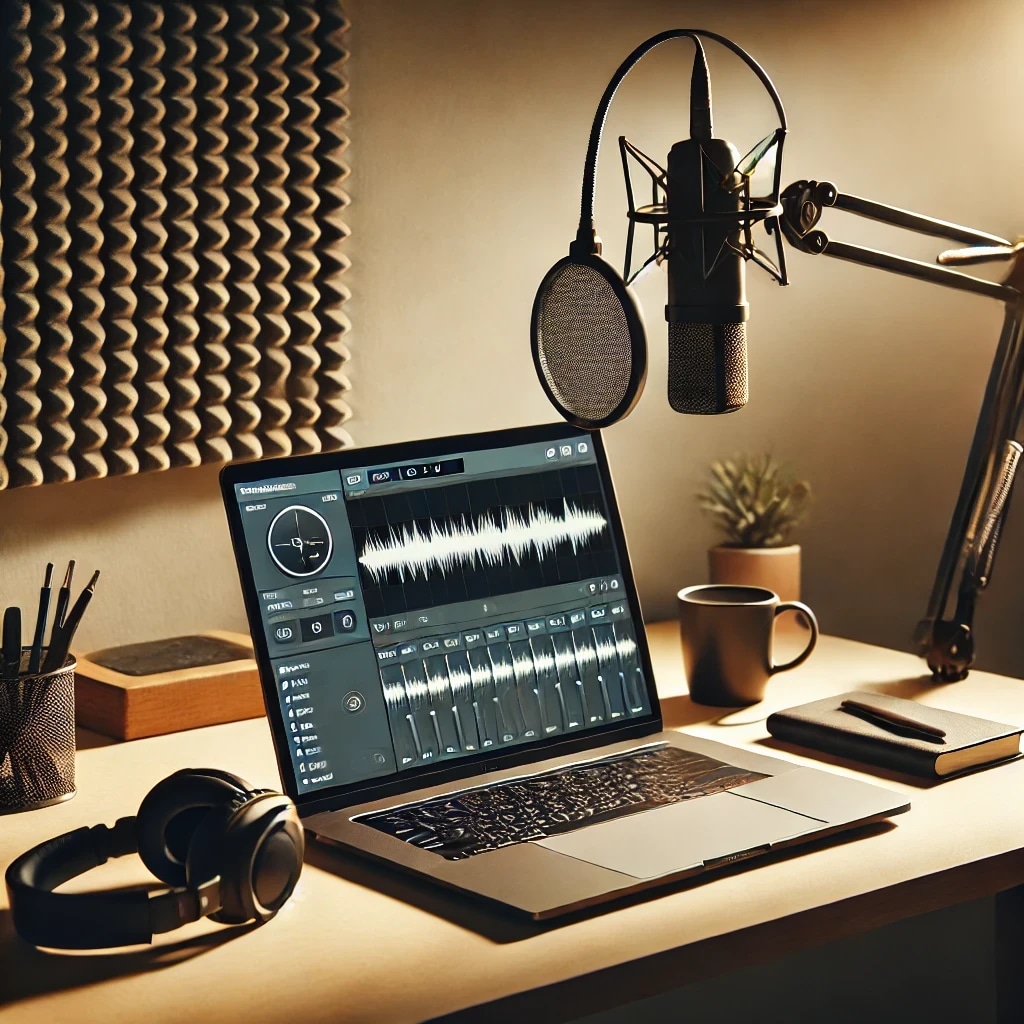
AI voice changers have gone from niche novelty to serious creative tool. With just a few clicks, users can transform their voices to sound deeper, lighter, robotic, animated, or like a completely different person. Some apps work in real time, others in post-production. But the end goal is the same: to change how your voice sounds, and in many cases, how you're perceived.
As a basic definition, AI voice changers modify how a person’s voice sounds using artificial intelligence. But instead of limited filters or pitch shifters, modern apps use deep learning models trained on real speech to provide far more realistic results.
At its core, an AI voice changer analyzes your voice and applies learned patterns to modify it. This process might involve changing the pitch, adjusting pronunciation, or applying a completely different voice model. Some apps offer sliders for tone, accent, and age, while others provide preset characters or fictional personas.
Unlike old-school voice changers that made you sound like a cartoon, advanced text to speech and AI voice tools aim for authenticity. They can replicate speech with emotional nuance, regional accents, and pacing that mimics real people.
Some tools are built for live use, like during a game or livestream. These apply voice changes on the fly as you speak. Others are used in post-production, allowing creators to record dialogue and apply a new voice afterward.
Real-time changers prioritize speed and minimal delay. Post-production apps focus more on quality and customization. The best tools today offer both, giving users flexibility depending on their project.
People use voice changers for much more than entertainment. They’re also used for self-expression, accessibility, and safety. In many ways, they’re becoming a new form of identity control, letting creators decide how they want to sound and be heard.
Voice changers are popular among gamers, streamers, and roleplayers. In multiplayer games, players might use a voice changer to match their avatar, like a gruff warrior, a mischievous goblin, or a mysterious AI. Content creators often use them to voice multiple characters or create audio skits without a cast.
For many, it’s simply fun to experiment. Voice transformation lets people tap into different personalities, moods, or storytelling styles without stepping out of their comfort zone.
Voice can be identified in live streams, video calls, or online platforms. Some users prefer to change their voice to protect their identity, especially in high-traffic or vulnerable spaces.
For people experiencing online harassment or those who don’t want their voice tied to a personal profile, AI changers provide a simple layer of separation. It’s a minor adjustment that can make speaking feel safer.
Voice changers are also being explored as assistive tools. Some people with speech impairments or those undergoing gender transition use AI voice apps to align their voice with how they want to sound.
Although it may sound strange initially, this opportunity can be empowering. It’s not just about sounding “different,” but about feeling heard in a way that matches your identity or comfort level.
As these tools improve, they may offer more inclusive options for people whose natural speech patterns don’t reflect how they want to present.
The potential for AI voice changers goes well beyond individual users. Companies, educators, and creators are beginning to use this tech to expand storytelling, enhance training tools, and support multilingual services.
Let’s explore these use cases further:
Gamers have embraced voice changers as part of the immersive experience. In roleplaying games or VR worlds, changing your voice adds realism. You can sound like your character, be it a cyborg, creature, or traveler from another time.
This technology opens up opportunities for game developers to include more engaging, player-driven voice acting. Instead of recording hundreds of lines in different styles, players can personalize their dialogue in real time.
One narrator, multiple voices. Just a few years ago, this sentence would have sounded idealistic. Fortunately, voice changers make it possible.
A single person can create a full-cast audio drama, experiment with different tones for interviews, or build distinct segments using AI-generated personalities.
These tools are also helpful for creators who want to protect their identity or voice content in multiple languages while keeping a consistent tone. The flexibility is ideal for long-form storytelling, character-driven content, or fast-paced media production.
Voice changers are starting to appear in automated support tools, helping companies create more natural-sounding interactions. A multilingual bot, for instance, can speak in different languages using regionally appropriate voices, without sounding robotic or stiff.
The result is a better user experience. Clients hear a clear, calm voice that matches the brand tone, even if it’s completely AI-generated. This kind of personalization is becoming more common in onboarding flows, product tutorials, and help centers.
While many voice changer apps offer presets, ElevenLabs allows users to design entirely new voices. Instead of picking from a limited menu of effects, creators can build their own voice models from scratch, defining everything from tone to emotion to language support.
The Voice Design tool lets you generate fictional voices based on specific traits. Want something soft and calming? Or a bold, high-energy tone? You can define that and get a unique result.
This feature is especially useful for characters that don’t exist in the real world, or for building brand voices that stand out. Because the voice is AI-generated, there’s no need to clone or record someone first. You get a custom voice identity without needing original audio samples.
For creators working on episodic content, consistency is key. ElevenLabs allows you to use the same voice across many projects, including in multiple languages. So if you’re voicing a character in English, Spanish, and French, you can keep the same tone and rhythm throughout.
This option is ideal for animations, podcasts, and story-driven content where character voice matters just as much as the script.
Some developers are going further, using the intuitive ElevenLabs API to experiment with live character switching, real-time narration, and voice identity layers. For example, a storytelling app might let the listener choose how the narrator sounds. Or a language learning platform could offer native accents for different exercises.
The possibilities go beyond just voice changing. They open doors to new creative formats built entirely around voice interaction.
Voice changer apps are getting smarter, more customizable, and a lot more realistic. What started as a way to sound like a robot or cartoon has become a toolkit for creators, developers, and everyday users to control how they sound in the digital world.
As AI voices improve, so does the potential to use them meaningfully. From storytelling to safety, content creation to communication, these tools offer a powerful way to reshape voice as we know it. And thanks to platforms like ElevenLabs, users can create something that’s not just new, but entirely their own.
A voice changer app modifies how your voice sounds using AI or audio filters. You can change pitch, tone, accent, or even switch to a completely new voice identity.
Yes. With deep learning models, voice changers can now produce natural, fluent, and emotionally expressive speech.
In most cases, voice changer apps are legal. However, using them to impersonate others without consent can be unethical or even illegal, depending on the context.
Some platforms, like ElevenLabs, let you design your own synthetic voice without first cloning or recording a human speaker.
Voice changers can be misused for impersonation, misinformation, or deepfakes. It’s essential to use them responsibly and follow ethical guidelines.
Learn how to repurpose text into podcasts
.webp&w=3840&q=95)
A simple guide to effortless podcasting.