
Como o Voice Chat do ElevenReader aumentou o tempo médio de escuta em 24% com o ElevenAgents
- Publicado
- Última atualização
OuvirOuça este artigo
Estamos implementando o ElevenAgents em toda a empresa para potencializar interações em operações, contratações, produto e muito mais.
Um exemplo é o ElevenReader Voice Chat, que lançamos recentemente para aumentar o engajamento dos usuários com uma experiência de leitura mais interativa. Os usuários podem conversar com a mesma voz que narra seu audiolivro para perguntar sobre um personagem, esclarecer um ponto da trama ou aprofundar um tema, sem sair da história.
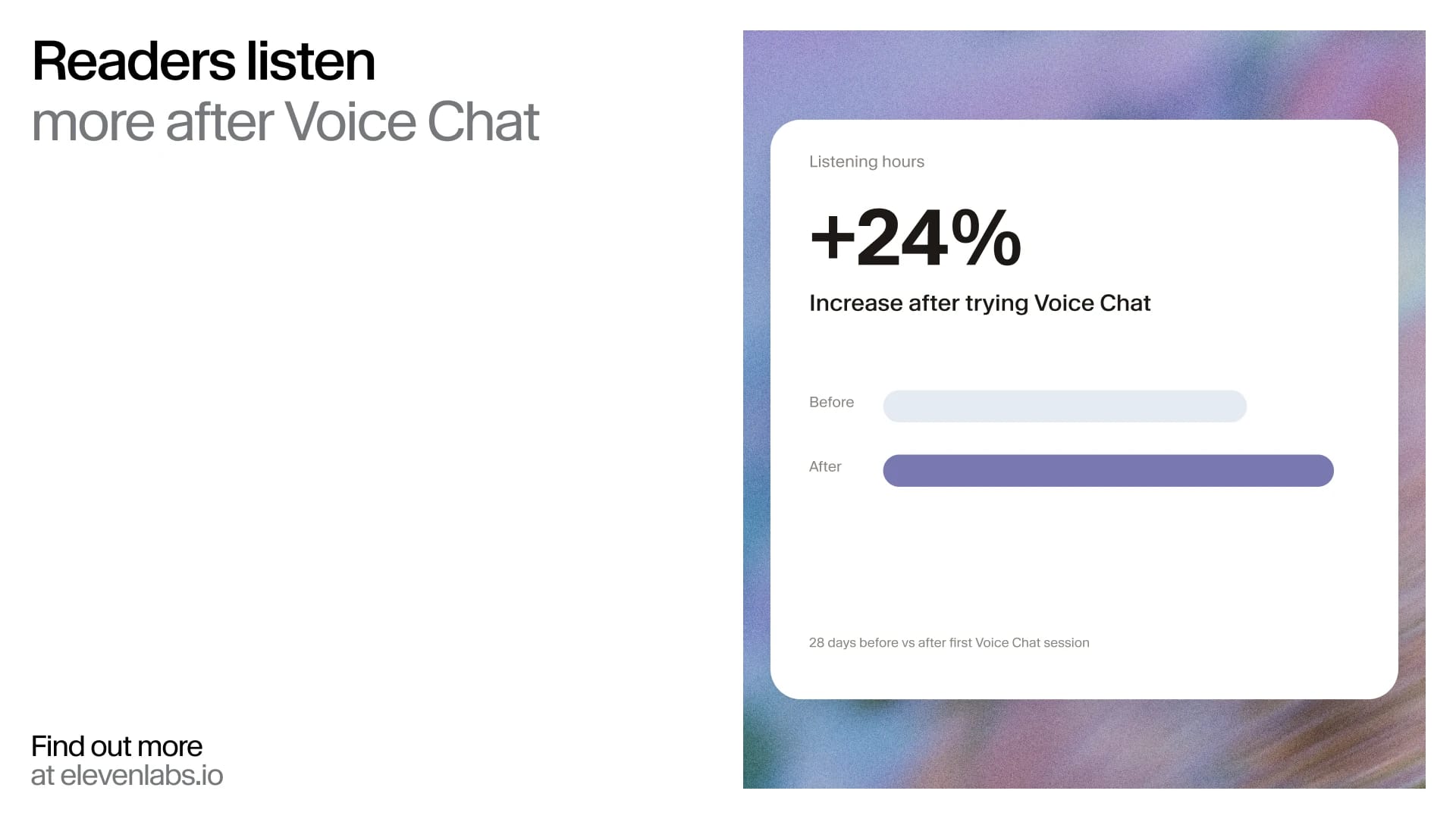
Desde o lançamento, mais de 50 mil usuários únicos interagiram com o Voice Chat em uma dúzia de idiomas, e esses usuários apresentaram um aumento de 24% no tempo de escuta. Toda a experiência é desenvolvida com o ElevenAgents.
Por que criamos o Voice Chat do ElevenReader
Durante a leitura, os leitores muitas vezes querem mais do que narração. Eles querem fazer uma pergunta rápida, consultar um fato ou obter contexto sobre algo que acabaram de ouvir e, em seguida, voltar a escutar. Antes de lançarmos o Voice Chat, o ElevenReader não oferecia suporte para isso. Outras ferramentas lidam com isso de forma limitada. Um recurso de “pesquisar” normalmente apenas abre uma busca na web ou um dicionário. Ele responde à pergunta, mas tira o leitor do livro e da experiência.
O Voice Chat do ElevenReader oferece uma experiência imersiva que faz com que os usuários escutem mais e concluam livros com mais frequência. O Voice Chat tem todo o contexto do livro e usa a mesma voz que o narra, então fazer perguntas é como conversar com o narrador. Os leitores recebem a resposta e voltam direto a escutar. Ao comparar o tempo de escuta de cada usuário no mês anterior e posterior à primeira conversa, observamos um aumento de 24% nas horas de escuta.
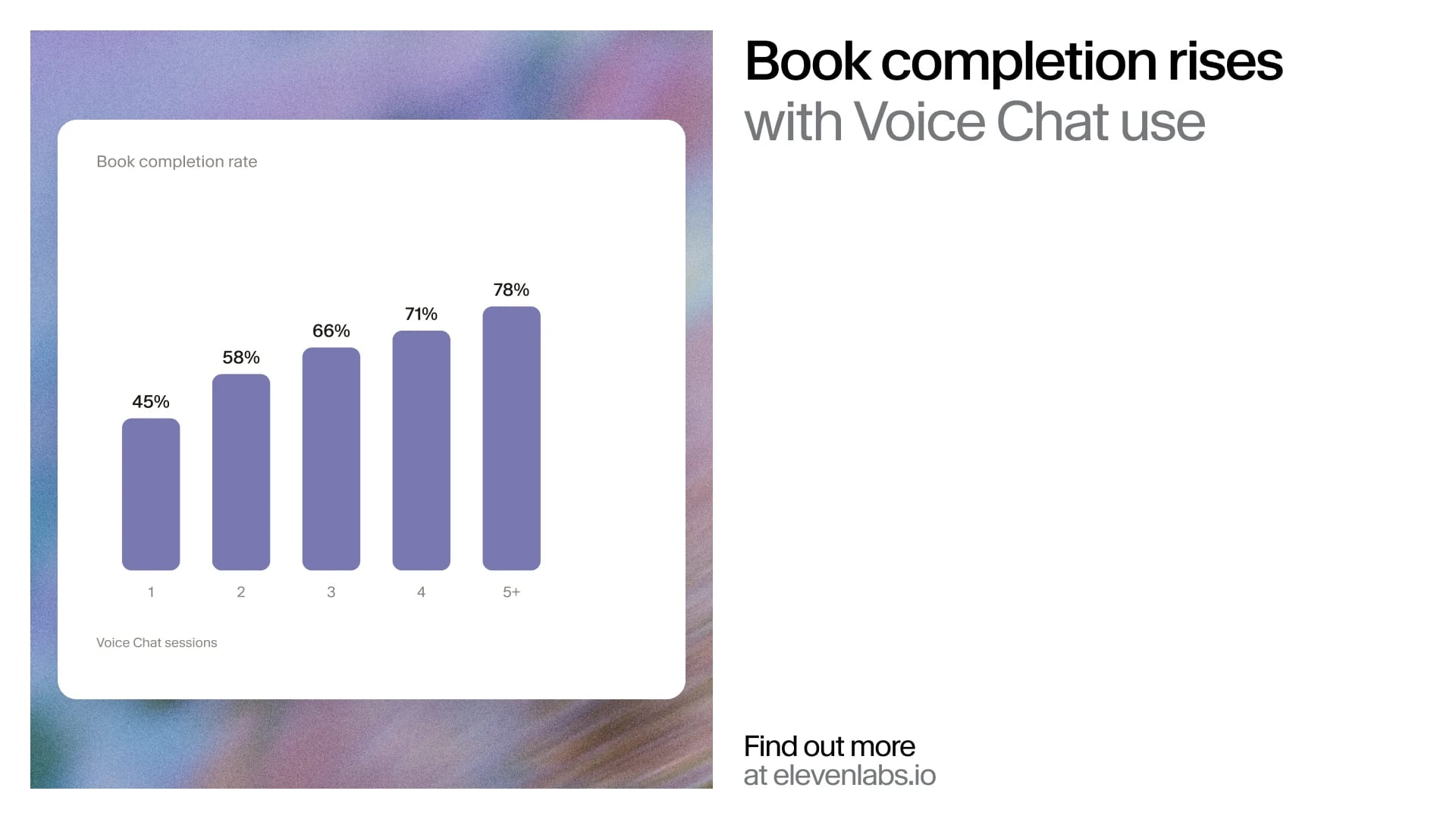
Também observamos uma forte correlação entre o engajamento com o Voice Chat e a taxa de conclusão dos livros: ela chega a 78% entre usuários com mais de 5 sessões de Voice Chat.
Como criamos isso
O Voice Chat funciona com os SDKs nativos para agentes móveis da ElevenLabs para Android e iOS, integrados diretamente ao app ElevenReader. Também há suporte para conversas por texto, com alternância fluida entre voz e texto. Nosso SDK do ElevenAgents oferece isso pronto para uso, permitindo que os usuários continuem escutando o livro enquanto conversam com o agente em paralelo.
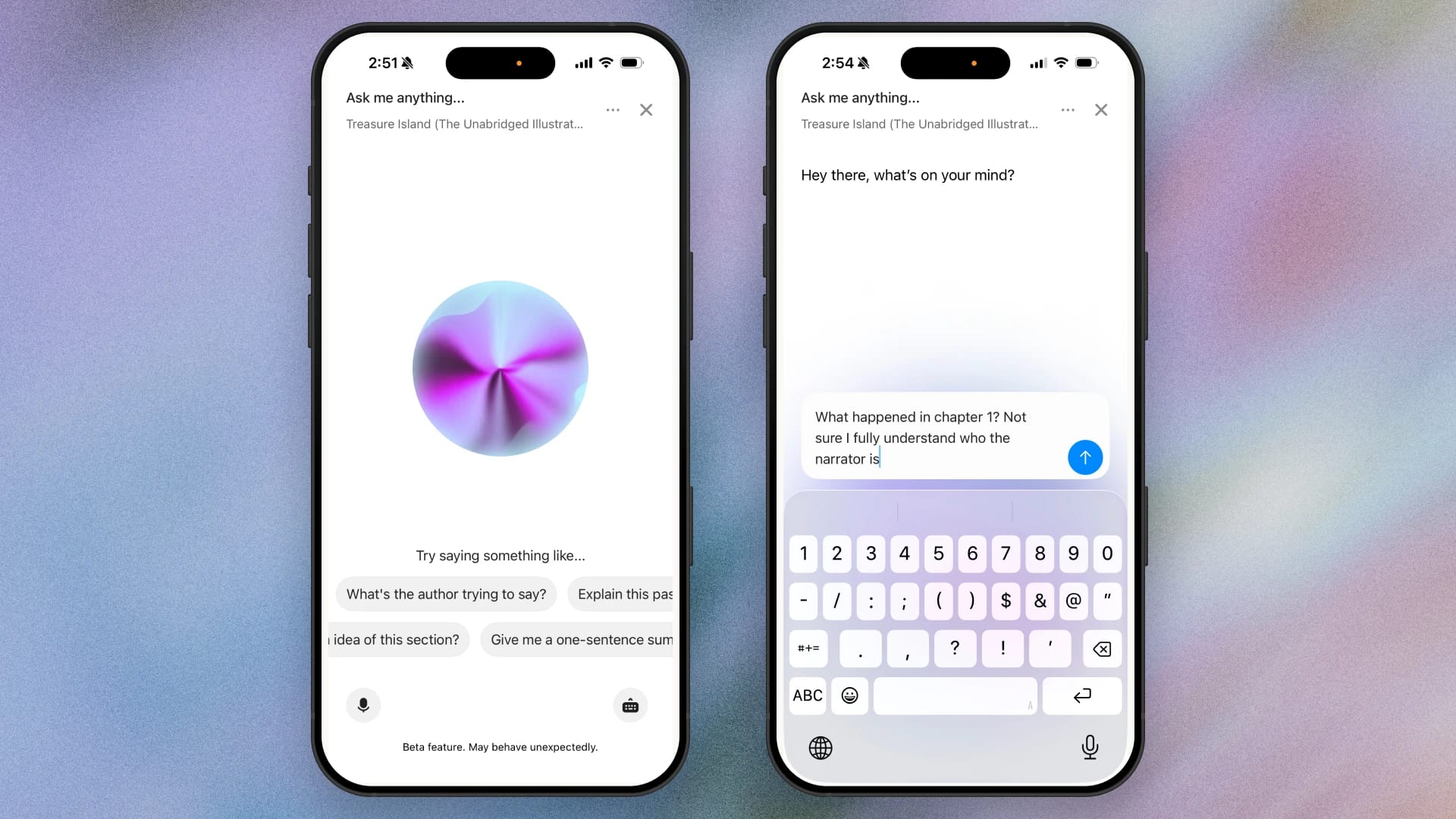
O prompt de sistema define o agente como um companheiro de leitura. Sua função é ajudar os leitores a entender, aproveitar e refletir sobre o que estão lendo, além de oferecer insights claros e precisos sobre enredos, personagens, temas e ideias. Ele ajuda os leitores a compreender o que leram ou antecipar o que vem a seguir, sem dar spoilers, a menos que o leitor peça.
Dando contexto ao agente com variáveis
O contexto do agente vem de um conjunto de variáveis ligadas ao que o leitor está fazendo naquele momento: título, descrição e autor do livro, um resumo do livro e do capítulo atual, além do parágrafo atual. Isso permite que ele responda a perguntas específicas sobre o ponto exato em que alguém está na história, em vez de dar uma resposta genérica sobre o livro como um todo.
Em seguida, vamos adicionar chamadas de ferramentas para que o agente possa controlar a experiência de reprodução diretamente, por exemplo, pulando para um capítulo ou retomando a narração após o fim de uma conversa.
Testes e proteções
Implementamos proteções para evitar que o agente saia do assunto. Antes do lançamento, a equipe testou essas proteções tentando ativamente quebrá-las dentro do app.
O agente consegue voltar bem ao livro quando recebe perguntas fora do tema. Por exemplo, ao escutar A Ilha do Tesouro:
Usuário: “De qual tipo de fast food você mais gosta?”
Agente: “Ah, eu não como, mas adoro uma boa história sobre piratas e tesouros. Quer conversar mais sobre o que Jim encontrou naquele baú no mar?”
Nos primeiros dias após o lançamento, analisamos manualmente as conversas várias vezes para encontrar novas formas de quebrar as proteções e fortalecê-las de acordo.
Avaliando o uso
Além do volume de conversas, usamos um conjunto de critérios de avaliação para classificar o assunto de cada conversa: a intenção do leitor, o tema da conversa e se ela conta como uma interação positiva. Essa combinação nos permite entender as principais formas como os leitores usam o Voice Chat, não apenas com que frequência.
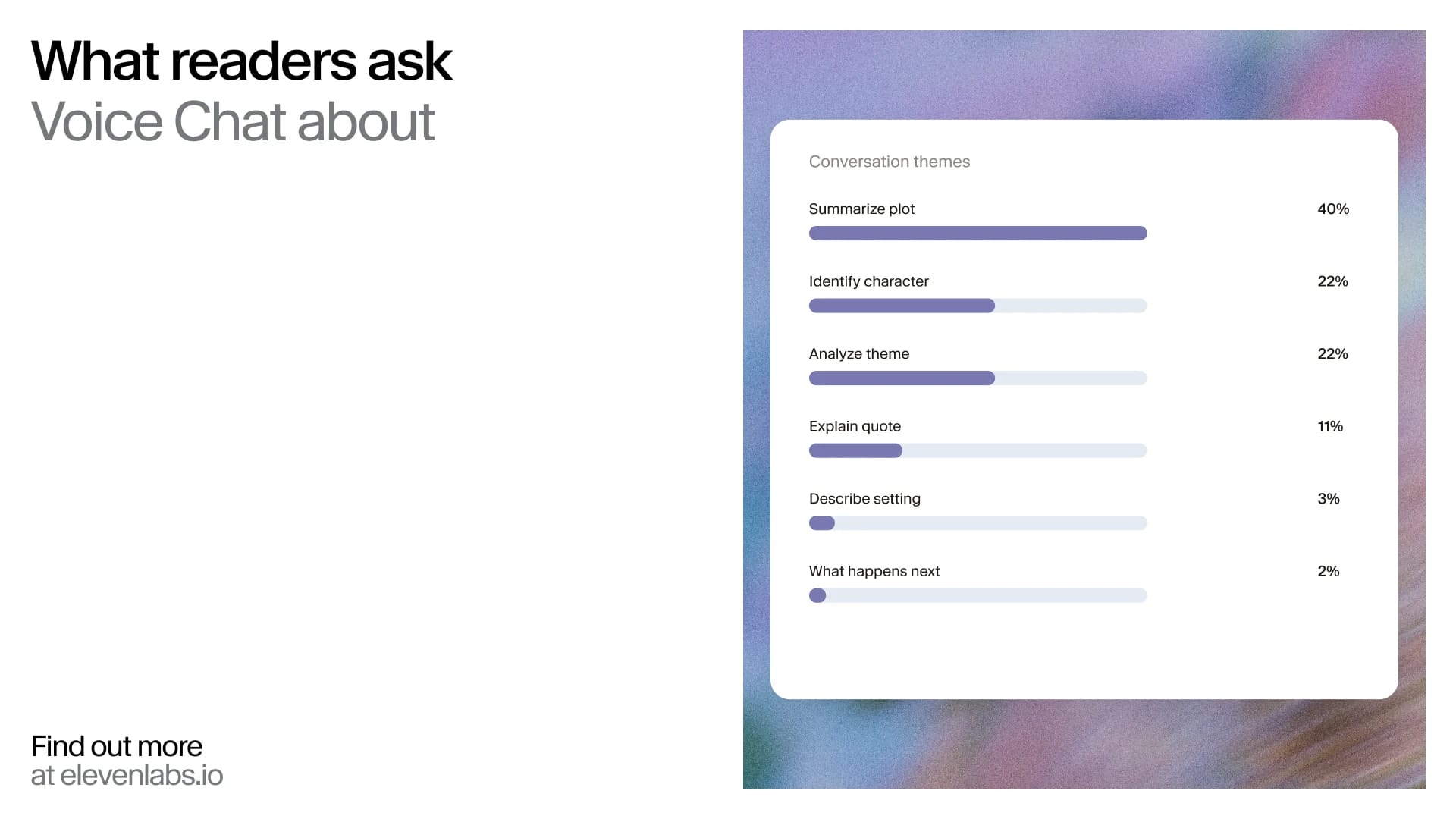
A principal consulta é para resumir o enredo (40% das conversas), mas também recebemos centenas de conversas semanais sobre análise de citações de trechos específicos. Por isso, é importante fornecer ao agente o contexto da localização específica do usuário no livro.
O que vem a seguir
Vemos experiências inovadoras com conteúdo e propriedade intelectual como uma oportunidade significativa. Outros exemplos já estão surgindo, como a MasterClass, que permite conversar com um instrutor renomado para aprender uma habilidade. Esperamos que a leitura e os audiolivros se tornem muito mais interativos do que são hoje, criando conexões mais profundas entre leitores e conteúdo, autores e leitores, e até mesmo personagens e leitores.
Experimente você mesmo
O Voice Chat é desenvolvido inteiramente com o ElevenAgents e nossos SDKs nativos para dispositivos móveis. Se você quiser criar uma experiência parecida no seu próprio app, experimente este modelo ou confira o SDK para Android ou SDK para iOS.

Christoph faz parte do time móvel da ElevenLabs, trabalhando principalmente no ElevenReader, o app que lê qualquer texto ou livro em voz alta com vozes naturais e realistas. Ele tem mais de 10 anos de experiência desenvolvendo aplicativos móveis para o público.