How Projekt Kalwaria uses ElevenLabs to bring a destroyed heritage site back to life
- Written by
- Nithin Kumar
- Published
- Last updated
ListenListen to this article
Projekt Kalwaria is a Polish nonprofit rebuilding a place that no longer exists. The Ujście Calvary, a hillside complex of stations built between 1893 and 1908, was destroyed by occupying forces in the Second World War. For decades it survived only in photographs and archives.
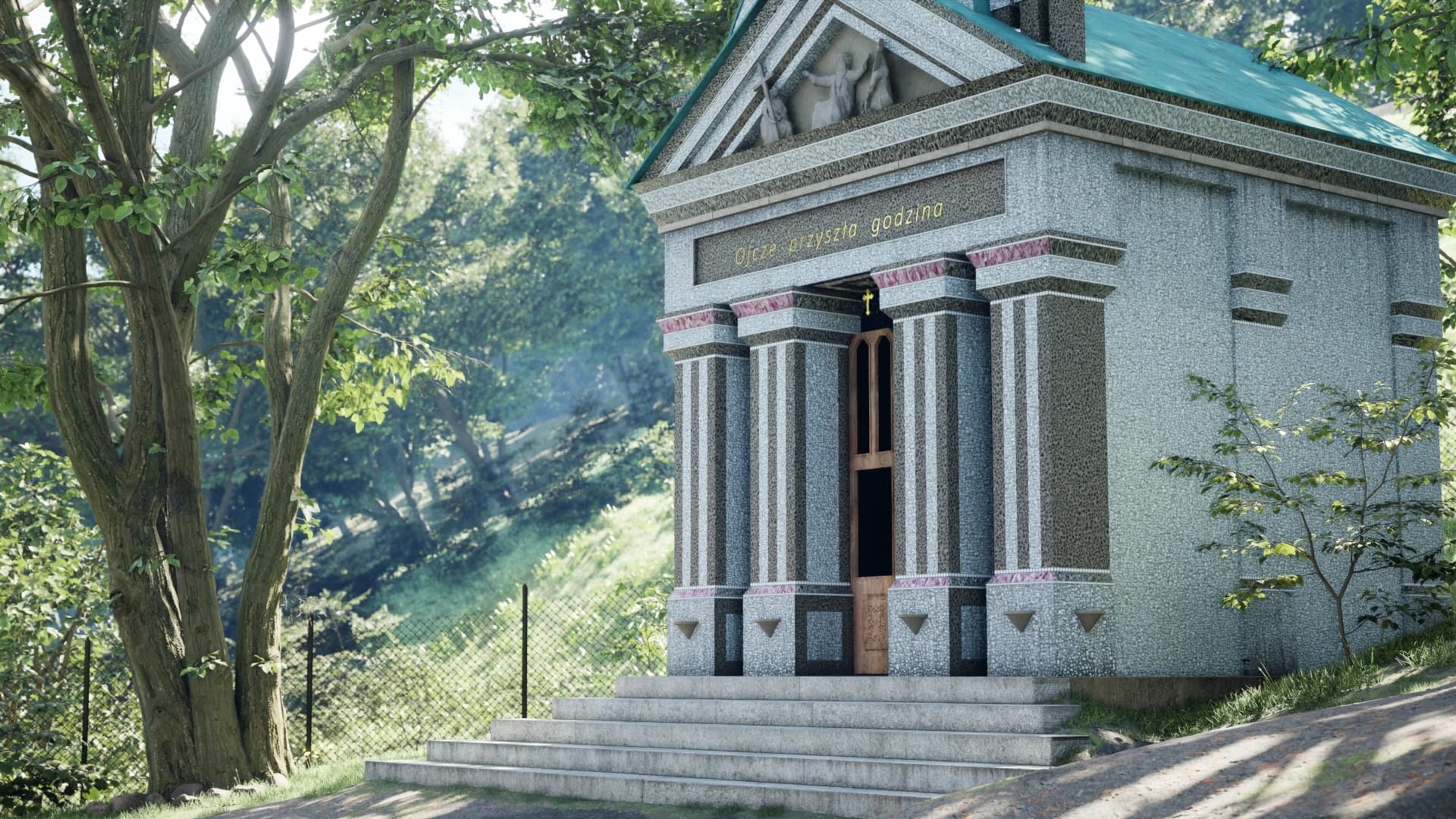
The association is recreating the site digitally to keep the region's heritage alive and let a new audience experience it. Through our Impact Program, we gave that reconstruction a voice.
Rebuilding the hill
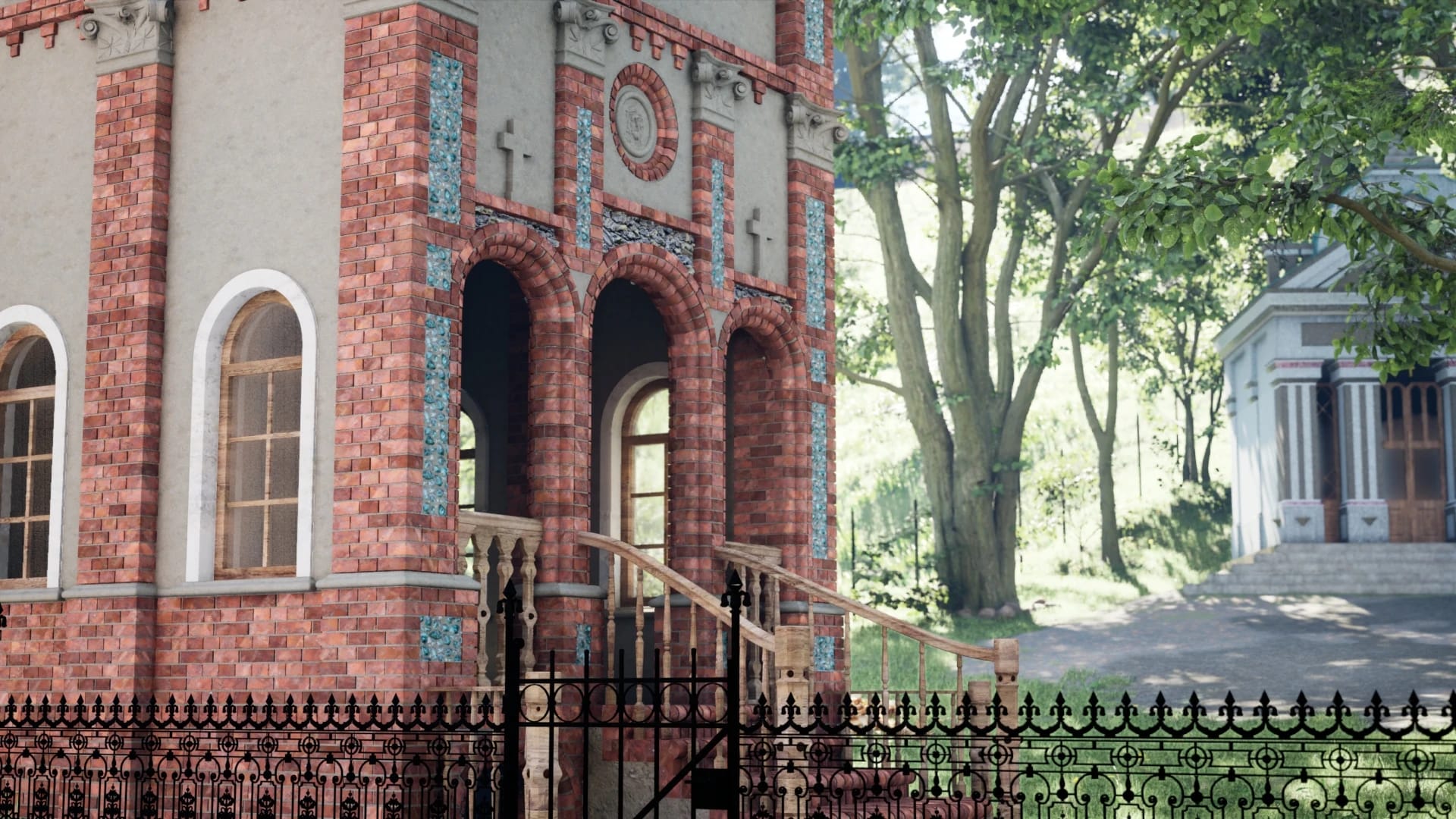
Restoring the Calvary began in the archives. The team digitized around 300 documents from 1893 to 1935, then rebuilt the hill in 3D and modeled its first three stations. From the same records, they recreated four station frames whose designs won awards at a Paris World Exhibition over a century ago.
How they use ElevenLabs
The reconstruction only matters if people can experience it. So the team turns the 3D-recreated topography, models of the first three stations, and animated archival photographs into narrated video reconstructions: virtual walks that move through the hill and its stations the way a visitor once would have, guided by narration the whole way.
That narration is generated with ElevenLabs Text to Speech. Because the audio is generated rather than recorded, the team publishes every walk in Polish, English, and German from a single script, instead of booking voice actors for each language. Eleven Music scores the openings, and AI video animates the century-old photographs the films are built from.
"We don't want to just tell stories about history - we want to let people step into it. When we combined hundreds of salvaged documents with the power of modern 3D engines and artificial intelligence, we realized we could literally resurrect this place. AI tools gave us the ability to create an immersive, multilingual experience," said Patryk Piotrowski of Projekt Kalwaria, "restoring a voice to a place that had been brutally deprived of it."
The films are published on YouTube, where audiences experience them today.
The impact so far
The history of the Ujście Calvary bridges Polish and German influences, so reaching an international audience mattered from the start. Publishing each film in Polish, English, and German lets the team share a local story beyond the region without producing three separate versions.
The project is still early, and the team's aim is to reach a wider audience over time. Pairing AI video with ElevenLabs audio lets a small volunteer team produce these films at a quality that used to require a studio.
What's next
Projekt Kalwaria is now tying the audio back to the site itself. A mobile app in development will trigger narration at points along the historical paths of Ujście, so visitors on the ground hear each station as they reach it. The team is also building VR walks in modern 3D engines with spatial audio, letting people move through the reconstructed Calvary from anywhere.
Ujście Calvary is one site among thousands at risk of vanishing from our cultural history. AI audio puts reconstruction work like this within reach of the volunteer teams and local associations who hold that history, so more of the world's heritage survives for the generations who come after us.
Apply to the ElevenLabs Impact Program
Through the ElevenLabs Impact Program, we help nonprofits reach more people with AI audio, part of our goal to help one million people communicate, learn, and create without barriers. If your organization works in culture, education, or accessibility, apply at elevenlabs.io/impact.
Explore Projekt Kalwaria's work at projektkalwaria.pl.
Nithin works on the Impact Program at ElevenLabs, helping bring free and discounted access to ElevenLabs' voice AI technology to nonprofits, educators, and organizations creating social impact across education, healthcare and culture. He is currently pursuing his MBA from Columbia University and is an IIT Bombay alumnus.